How Wallet Labeling Works and How Often the Labels Are Wrong
A tour through how entity labels get attached to on-chain addresses, which ones are close to certain, and which are educated guesses dressed up as facts.
Market analysis, product updates, and trading strategies from the Blockcircle team.
A tour through how entity labels get attached to on-chain addresses, which ones are close to certain, and which are educated guesses dressed up as facts.
A stable BTC and ETH core, small satellite bets capped at 2 percent each, and a monthly rule that sweeps profits back into the core instead of pyramiding them into new positions.

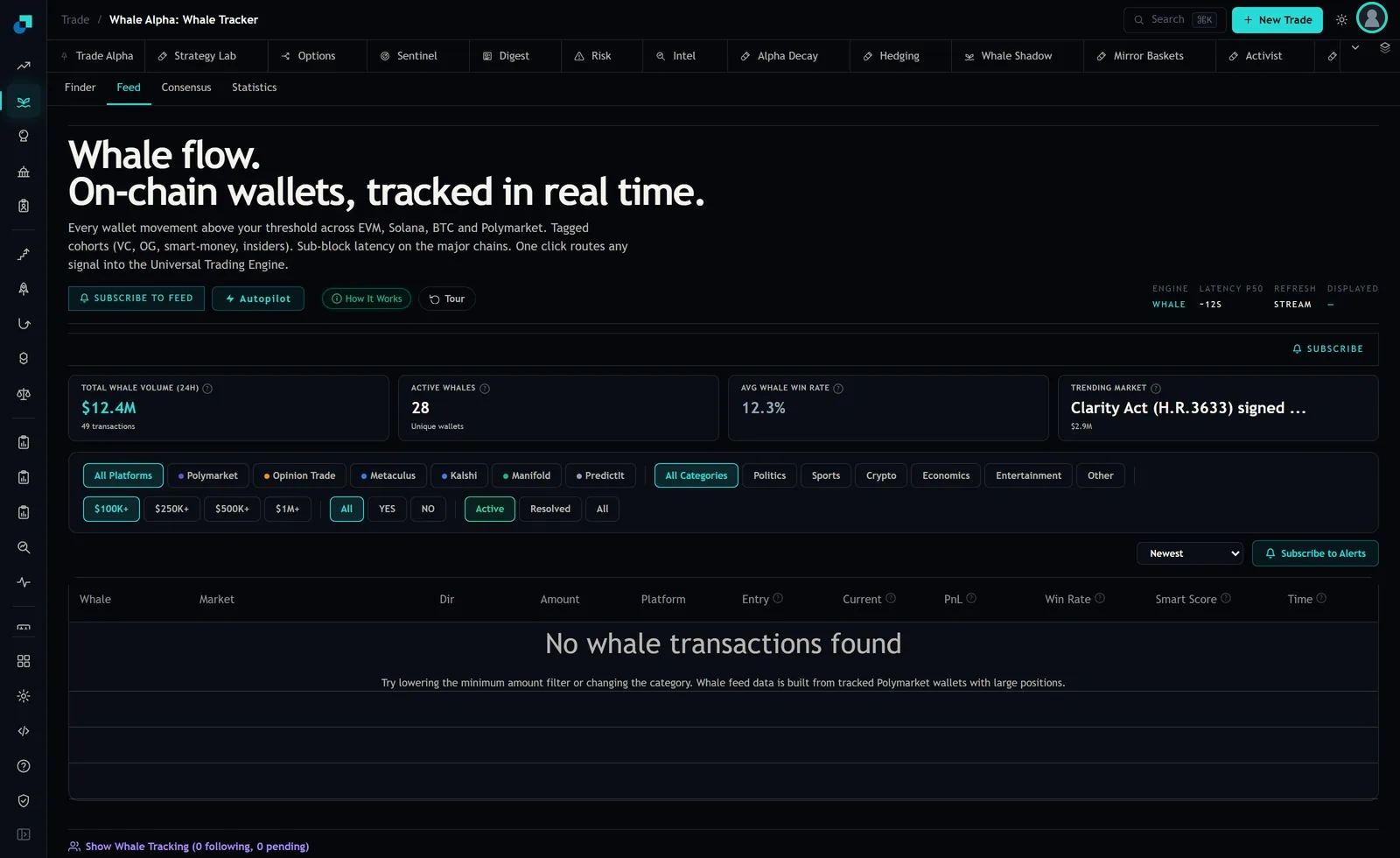
Two adjacent columns on the whale feed tell you what fraction of a trade has already happened. One row showed an entry at 33 percent now trading at 100, which is a finished move wearing a green number.

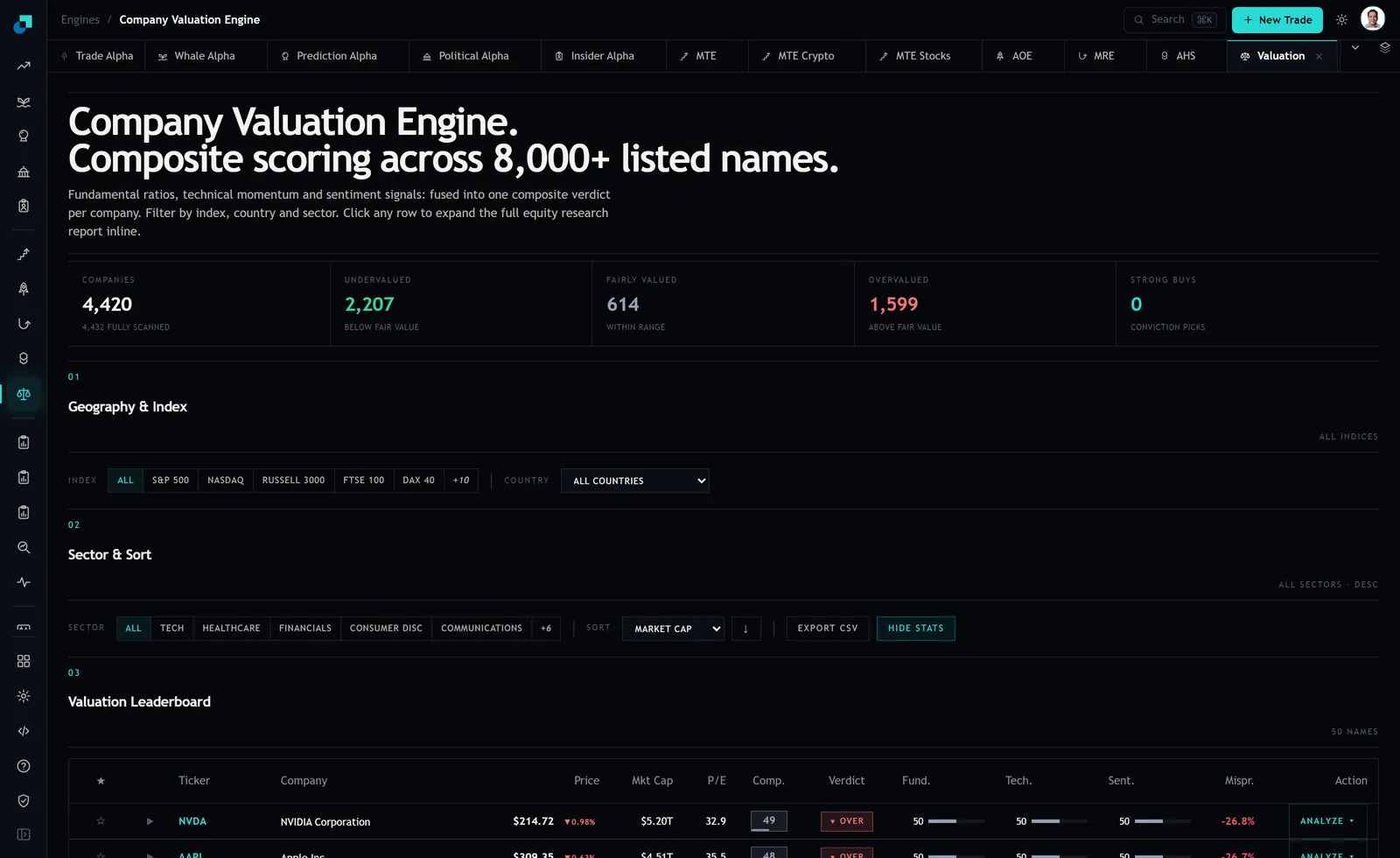
Buyback timing, acquisition returns and organic reinvestment yield can each be reduced to a single comparable spread. Combined over a ten year window they produce one number per name that survives a review meeting better than any management assessment.
The quoted price impact on a swap is almost never your true cost. Here is the constant product math that sets your effective price and how to estimate it before you sign.
Once you know how a trade ended, your memory of why you entered quietly rewrites itself. A timestamped thesis with a confidence number is the only honest audit trail.
Averaging down lowers your breakeven, which feels like progress. What it actually does is trade a small certain loss for a smaller chance of a much bigger one.

The equity panel reads Net +396.07% while the profit factor tile two rows up reads 0.08. Both describe the same account. Here is what lifts a balance line without a winning trade, and how to separate the stories on this page.